
planning
The Smart Guide to Wedding Budget Planning
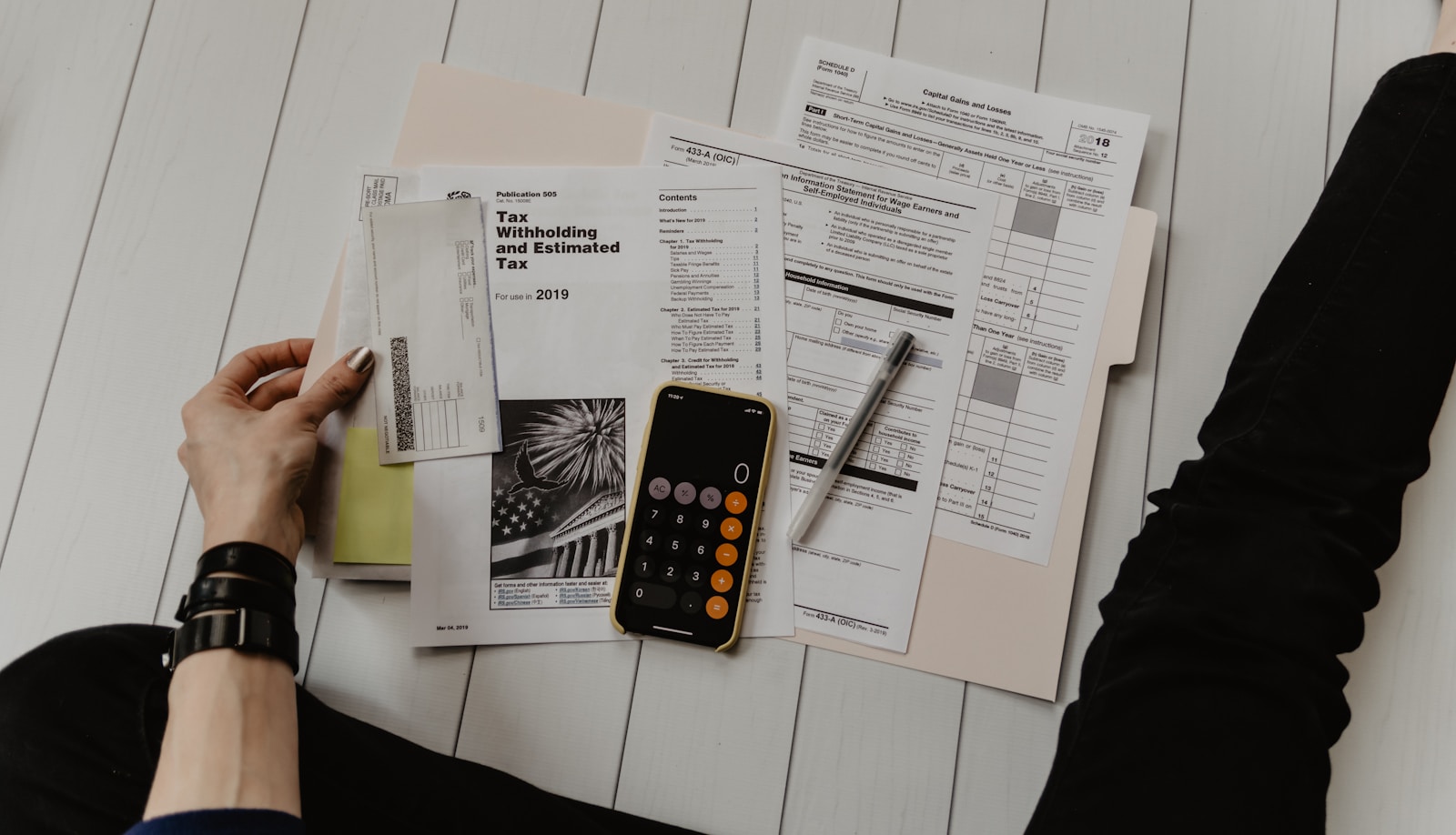
Money conversations are the most stressful part of wedding planning, but with the right framework, you can create the wedding you want without financial regret.
Start with the Total Number
The first step in wedding budget planning is establishing the total amount available to spend. This requires an honest conversation between you, your partner, and any family members who will be contributing financially. Be clear and specific — vague promises of help often lead to disappointment. Once you have a firm number, write it down and treat it as non-negotiable.
The Standard Budget Breakdown
Industry professionals generally recommend allocating your wedding budget as follows: Venue and catering: 35–40%. Photography and videography: 10–12%. Music and entertainment: 8–10%. Flowers and decoration: 8–10%. Attire and beauty: 8–10%. Invitations and stationery: 2–3%. Transportation: 2–3%. Favors and gifts: 2–3%. Contingency fund: 5–8%. This is a guide, not a rule — your priorities may shift these percentages significantly.
The Guest List Is Your Biggest Lever
Nothing impacts your wedding budget more than the guest count. Every additional guest adds per-head catering costs, an extra invitation, a seat, a favor, and often additional floral arrangements. If your budget is under pressure, reducing the guest list is the single most effective way to release funds for other priorities. A smaller, more luxurious celebration is often more memorable than a large, average one.
Prioritize Ruthlessly
You and your partner each get to identify three things that matter most to you personally about the wedding experience. These non-negotiables receive the largest budget allocations. Everything else is scaled accordingly. For example, if extraordinary photography is your priority, you might compensate by choosing simpler flowers or a less elaborate cake.
Hidden Costs to Watch For
Many couples are blindsided by costs they did not anticipate. Common budget surprises include: service charges and taxes on top of vendor quotes, gratuities for the venue staff, overtime fees if the event runs long, alterations costs for the wedding dress, hair and makeup trials before the wedding day, and transportation for the wedding party. Always add 10% to every vendor estimate to account for unforeseen expenses.
Negotiating with Vendors
Everything is negotiable to some degree. Off-peak dates (weekdays, winter months) often attract significant discounts. Package deals that bundle services can offer better value than individual bookings. When comparing quotes, compare like for like — a lower quote may exclude items included by a more expensive competitor. Always ask: "Is there anything you can offer to make this easier for us within our budget?"
Tracking Spending
Create a simple spreadsheet with three columns for each budget category: budgeted amount, contracted amount, and actual amount paid. Update it weekly. This real-time awareness prevents the common experience of arriving at the wedding week with surprising shortfalls. Several wedding planning apps offer budget tracking features if you prefer a digital tool.
What to Save vs. Splurge On
Splurge on: photography and videography (these are your permanent memories), the venue (it sets the entire atmosphere), and catering quality (guests always remember the food). Save on: favors (many guests leave them behind), elaborate cake designs (taste matters more than appearance), and printed programs (a digital version works just as well).
Comments
Share your thoughts on this article
You need to sign in with your account to post a comment.
We sent a code to