
planning
How to Write Meaningful Wedding Vows
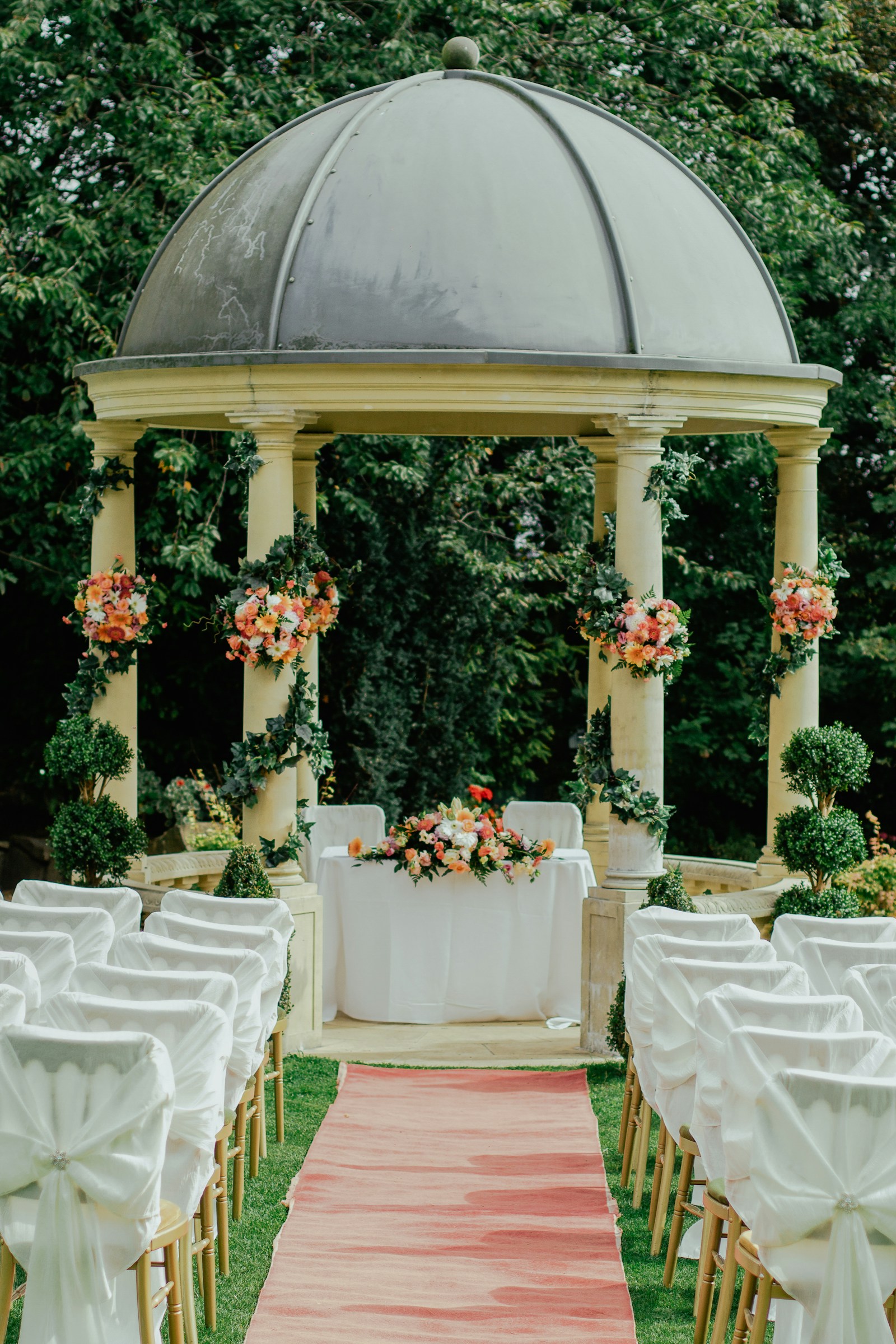
Personal wedding vows are among the most powerful moments in any ceremony. This guide will help you express your deepest feelings with authenticity and grace.
Why Personal Vows Matter
Traditional vows are beautiful and meaningful, but personal vows create a moment of complete authenticity that guests rarely forget. When you write your own vows, you are not simply repeating borrowed words — you are making a specific, personal promise grounded in your unique history and your particular vision of your life together. This specificity is what gives personal vows their emotional power.
Start with Reflection, Not Writing
Before you touch pen to paper, spend time reflecting. Think about the specific qualities in your partner that you most deeply love and admire. Recall the moment you knew this was the person you wanted to marry. Think about the challenges you have already navigated together and what they revealed about your partnership. Consider the kind of spouse you aspire to be. These reflections are the raw material of your vows.
The Classic Structure
A well-crafted personal vow typically moves through three phases: acknowledgment (what you love and appreciate about your partner), commitment (the specific promises you are making), and aspiration (the vision you have for your life together). This structure gives your vows a satisfying arc and ensures you cover all three emotional bases: the past, the present, and the future.
Be Specific and Concrete
The most moving vows are filled with specific details — a particular moment, a private joke between just the two of you, a quality you have noticed that most people would miss. Avoid generic phrases like "I promise to always be there for you" in favor of something more particular: "I promise to make you coffee exactly the way you like it every morning, and to still be doing it when we are 80."
The Right Length
Personal vows should be long enough to feel substantive but short enough to be felt fully. Aim for 250–400 words, which translates to approximately 2–3 minutes of speaking time. Longer vows risk losing emotional momentum; shorter vows may feel incomplete. Practice reading aloud to calibrate the timing.
Managing Emotion
Many people are surprised by how emotional they become when delivering their vows. Reading slowly, pausing between sentences, and taking a breath when you feel tears rising will help you maintain composure. If you know you are likely to cry, practice in front of a mirror until the words become automatic. It is beautiful to be moved by your own vows — just breathe through it.
Coordinating with Your Partner
Discuss with your partner whether you want your vows to mirror each other in length and tone, or whether each person will speak entirely from their own voice. Most couples keep their specific words private until the ceremony but agree on general guidelines: will you include humor? Will the vows reference specific events? This coordination prevents the awkward situation where one partner's vows are significantly more elaborate than the other's.
Final Tips
Write your vows at least two weeks before the wedding to allow time for revision. Read them aloud to someone you trust for feedback. Print them in a font large enough to read when your eyes are full of tears. And remember: your partner chose you — they are already prepared to love every word you say.
Comments
Share your thoughts on this article
You need to sign in with your account to post a comment.
We sent a code to